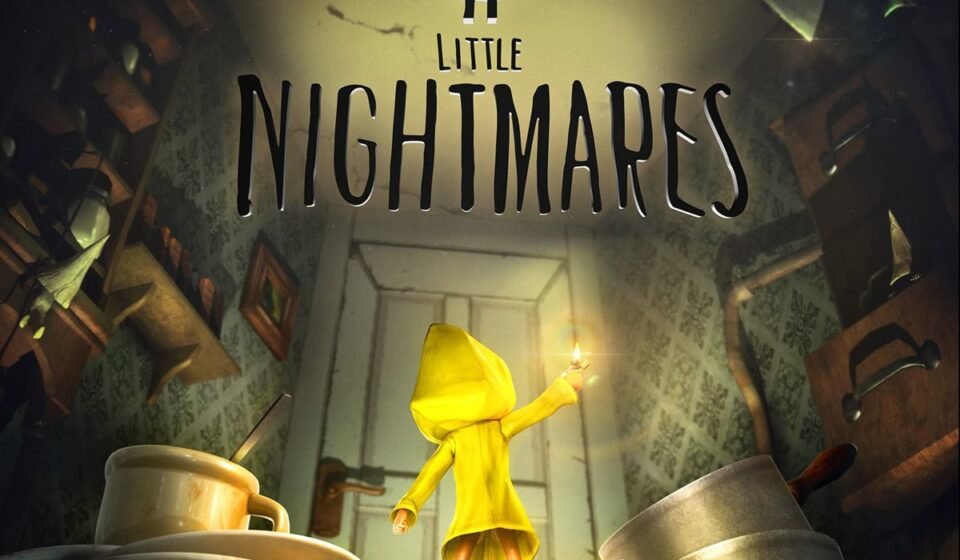

Horror games are a genre of video games designed to create feelings of fear, suspense, tension, uncertainty, and surprise. Instead of focusing only on winning battles or completing objectives, horror games often try to make players feel nervous about what might happen next.
These games can use many different techniques to create a frightening atmosphere. Dark environments, mysterious sounds, unexpected events, limited resources, strange creatures, psychological tension, and isolated locations are all commonly used.
Horror games can take many forms. Some focus on survival and limited resources, while others concentrate on investigation, storytelling, puzzles, or psychological experiences. Some horror games include combat, while others make avoiding danger a major part of the gameplay.
The genre has developed significantly as gaming technology has improved, allowing developers to create more detailed environments, realistic sound, advanced lighting, and more interactive worlds.
What Makes a Horror Game?
The main purpose of a horror game is to create an atmosphere of fear or tension.
A horror game may place the player in an abandoned building, mysterious town, dark forest, underground facility, isolated location, or fictional world.
The environment itself can become part of the experience.
Players may hear unexplained sounds, discover strange objects, or notice details that suggest something is wrong.
The game does not always need to show a threat directly. Sometimes the uncertainty of not knowing what is nearby can be enough to create tension.
The History of Horror Games
Horror elements have appeared in video games for many years.
Early games were limited by their graphics and sound capabilities, but developers still experimented with dark environments, mysterious stories, dangerous creatures, and suspenseful gameplay.
As technology improved, developers gained more tools for creating realistic lighting, detailed environments, atmospheric sound, and complex characters.
The growth of 3D gaming was particularly important for horror games.
Three-dimensional environments allowed developers to create spaces that players could explore from a first-person or third-person perspective.
This made it possible to create more immersive horror experiences.
Survival Horror
Survival horror is one of the best-known categories within horror gaming.
These games often combine horror with resource management, exploration, puzzles, and survival mechanics.
Players may have limited supplies and need to carefully decide how they use their resources.
The player may need to explore an unfamiliar environment while dealing with dangerous situations.
The combination of limited resources and uncertainty can create a strong sense of tension.
Psychological Horror
Psychological horror focuses more on fear, uncertainty, and the mind than on direct physical threats.
These games may use strange environments, unusual events, disturbing stories, unreliable information, or confusing situations.
The player may not always know what is real or what is happening.
Psychological horror can create tension without relying heavily on combat.
Instead, the game may encourage players to think about what they are seeing and hearing.
Jump Scares
Jump scares are a common technique in horror games.
A jump scare occurs when something unexpected suddenly appears or happens, often accompanied by a sudden sound or visual change.
Jump scares can create an immediate reaction from the player.
However, they are only one of many techniques used in horror games.
A well-designed horror experience can create tension long before a sudden event happens.
Atmosphere and Environment
The environment is extremely important in horror games.
Developers can use lighting, architecture, weather, fog, shadows, and environmental details to create a specific mood.
An empty hallway can feel unsettling if it is poorly lit and filled with strange sounds.
A large abandoned building can make players feel isolated.
A quiet forest can create tension when players cannot see far into the distance.
These environmental details can make the game world feel mysterious and unpredictable.
Darkness and Lighting
Lighting is one of the most important tools used in horror games.
Darkness can limit visibility and make players uncertain about what is nearby.
Developers can use small sources of light such as flashlights, candles, lamps, emergency lights, or moonlight.
Moving between areas of darkness and light can create different levels of tension.
Modern lighting technology has made it possible to create realistic shadows, reflections, fog, and changing light conditions.
Sound Design
Sound can be just as important as visuals in a horror game.
Players may hear footsteps, doors opening, distant noises, wind, machinery, or unexplained sounds.
Sometimes the absence of sound can also create tension.
A quiet environment may make players pay more attention to every small noise.
Sound can also provide clues about what is happening outside the player’s view.
Music in Horror Games
Music can influence the emotional atmosphere of a game.
A quiet musical background can create uncertainty, while faster or more intense music can signal danger.
Some horror games reduce or remove music during certain moments.
This can make environmental sounds more noticeable.
When music eventually returns, the change can make the player feel that something important is happening.
First-Person Horror Games
First-person horror games place the player directly into the character’s viewpoint.
This can make environments feel more immediate because players see the world from the character’s perspective.
First-person games can also make exploration feel more personal.
A narrow hallway or dark room may feel more intimidating when players cannot see their character from the outside.
Third-Person Horror Games
Third-person horror games show the player’s character from an external camera.
This allows players to see the character and more of the surrounding environment.
Third-person perspectives can be useful for action-oriented horror games because players can see enemies and movement more clearly.
They can also support cinematic storytelling.
Exploration
Exploration is an important part of many horror games.
Players may need to search buildings, investigate rooms, discover clues, or find a way forward.
Exploration can be tense because players do not always know what they will discover.
The environment may contain important objects, hidden areas, puzzles, or clues about the story.
This encourages players to pay attention to their surroundings.
Puzzles
Many horror games include puzzles.
A puzzle might require players to find a key, understand a sequence, identify a hidden clue, or combine objects.
Puzzles provide a break from direct danger while keeping players engaged with the environment.
They can also strengthen the story by requiring players to investigate the world carefully.
Limited Resources
Some horror games limit the amount of equipment players have.
This can include health items, tools, ammunition, batteries, or other useful resources.
Limited resources force players to make decisions.
Players may need to decide whether to use an item immediately or save it for later.
This creates additional tension because players cannot always rely on having everything they need.
Combat in Horror Games
Not every horror game includes combat.
Some games give players weapons or other defensive tools, while others focus almost entirely on avoiding danger.
Games with combat may still limit the player’s resources so that fighting is not always the easiest solution.
This can encourage players to think carefully before confronting threats.
Stealth and Avoiding Danger
Stealth is another common feature of horror games.
Players may need to move quietly, hide, or avoid being detected.
Instead of defeating every threat, the player may need to find a safe route through an area.
This can create tension because players must pay attention to movement, sound, and the environment.
Enemies and Creatures
Horror games can include many types of enemies.
Some may be human characters, while others may be fictional creatures, supernatural beings, machines, or other threats.
Enemy design can influence how players approach the game.
A slow-moving enemy may create a different experience from a fast enemy.
Some games use a small number of powerful threats, while others include many different types of enemies.
Boss Encounters
Some horror games include major enemies or boss encounters.
These encounters can represent important moments in the story.
A boss battle may require players to understand an enemy’s behavior, identify weaknesses, solve environmental problems, or manage resources carefully.
Other horror games avoid traditional boss battles and focus more heavily on exploration and suspense.
Storytelling in Horror Games
Storytelling is often an important part of horror games.
The story may explain why the environment has become dangerous or reveal information about the characters and events surrounding them.
Some games tell the story directly through dialogue and cinematic scenes.
Others rely on environmental storytelling.
Players may discover documents, recordings, objects, locations, or other clues that gradually reveal what happened.
This approach can make exploration feel meaningful.
Mystery and Uncertainty
Mystery is one of the strongest tools available to horror game developers.
Players may begin a game without understanding what is happening.
As they explore, they gradually discover information.
The player might find clues that answer one question while creating several new ones.
This encourages continued exploration because players want to understand the world and uncover the truth.
Horror Game Characters
Characters can help make a horror story more engaging.
The player character may have a personal reason for exploring a dangerous location.
Other characters can provide information, assistance, or additional mysteries.
The relationships between characters can also influence the story.
Some games allow players to make choices that affect how characters interact with each other or how the story develops.
Choices and Multiple Endings
Some horror games include choices that influence the story.
Players may need to decide which character to help, where to go, or how to respond to important situations.
These choices can lead to different events or endings.
Multiple endings can encourage players to replay the game and discover different outcomes.
Horror Games and Survival Games
Horror and survival games often overlap.
A survival game may include frightening creatures or dangerous environments.
A horror game may include resource management and crafting systems.
However, the main focus can be different.
Survival games generally emphasize staying alive and managing resources, while horror games place greater emphasis on fear, suspense, mystery, or disturbing atmosphere.
Some games combine both genres.
Horror Games and Adventure Games
Horror can also be combined with adventure gameplay.
These games may include exploration, puzzles, character interaction, and storytelling.
The horror elements provide atmosphere while the adventure mechanics give players objectives and reasons to explore.
This combination allows developers to create games that are not focused entirely on combat.
Horror Games and Multiplayer
Although horror is often associated with single-player experiences, multiplayer horror games have become increasingly popular.
Players can work together to investigate environments, solve puzzles, collect resources, and escape dangerous situations.
Other multiplayer horror games allow players to compete against each other.
The presence of human players can create unpredictable situations because people do not always behave like computer-controlled characters.
Streaming and Horror Games
Horror games have become particularly popular among video game streamers and content creators.
Viewers can watch players react to unexpected events, solve puzzles, explore mysterious locations, and experience the story.
The reactions of the player can become part of the entertainment.
This has helped introduce horror games to people who may not normally play the genre themselves.
Virtual Reality Horror
Virtual reality has created new possibilities for horror gaming.
VR allows players to look around a virtual environment by moving their head.
This can make environments feel more immersive.
Developers can use VR to create experiences where players feel surrounded by the game world.
Because of the immersive nature of VR, horror experiences can feel particularly intense, so developers need to carefully consider pacing and player comfort.
Why Horror Games Are Popular
Horror games are popular because they provide an experience that is different from many other genres.
Players may enjoy the mystery, atmosphere, storytelling, exploration, or challenge.
Some people enjoy being surprised by the game.
Others enjoy solving mysteries and understanding the story.
The genre also provides many different styles, meaning players can choose between psychological horror, survival horror, action horror, multiplayer horror, or other variations.
The Future of Horror Games
Horror games will continue to benefit from advances in gaming technology.
Better graphics can make environments more detailed and atmospheric.
Improved sound systems can create more realistic and dynamic audio.
Artificial intelligence may allow enemies and characters to react more naturally to player behavior.
Virtual reality can provide increasingly immersive experiences, while larger game worlds can give players more freedom to explore.
Developers can also continue experimenting with storytelling, player choices, procedural environments, and new ways of creating suspense.
Horror games have grown from simple experiments with dark environments and frightening ideas into a broad genre that includes survival, psychological experiences, action, puzzles, exploration, multiplayer gameplay, and virtual reality. Their ability to combine atmosphere, mystery, storytelling, sound, and interactive gameplay gives players a unique way to experience fear and suspense within a virtual world.